
As an accountant, email marketing is a powerful tool that can help you connect with clients, generate leads, and strengthen your brand. However, with the numerous email marketing software options available in the market, choosing the right one can be overwhelming. In this article, we will explore the importance of email marketing for accountants and discuss the key features to look for in email marketing software. We will also provide tips on evaluating different software options and offer best practices for successful email marketing campaigns in the accounting industry.
Understanding the Importance of Email Marketing for Accountants
Email marketing plays a crucial role in the accounting industry. It allows accountants to communicate with clients, provide updates, and promote their services effectively. With the average return on investment (ROI) for email marketing being $42 for every $1 spent, it’s no wonder that 80% of businesses consider email marketing as their primary customer retention channel.

The Role of Email Marketing in Accounting
Email marketing helps accountants build stronger relationships with their clients. By regularly sending informative newsletters, updates on tax regulation changes, and valuable insights, accountants can position themselves as trusted advisors. Moreover, email marketing allows accountants to maintain an ongoing dialogue with clients, answering their queries promptly and addressing their financial concerns.
Benefits of Email Marketing for Accountants
Accountants can enjoy several benefits by incorporating email marketing into their marketing strategies. First and foremost, email marketing provides a cost-effective way to reach a large number of clients. Compared to traditional marketing methods like direct mail, email marketing saves time and money while delivering personalized messages.
Secondly, email marketing enables accountants to track the success of their campaigns through detailed analytics. These insights allow accountants to measure the effectiveness of their message, understand client engagement, and make data-driven improvements.
Furthermore, email marketing helps accountants nurture leads and generate new business. By sending targeted emails to potential clients who have shown interest in their services, accountants can increase conversion rates and drive growth.
Moreover, email marketing allows accountants to stay top-of-mind with their clients. By consistently providing valuable content and updates, accountants can ensure that their clients think of them first when they need financial advice or services. This consistent communication helps build trust and loyalty, leading to long-term client relationships.
Additionally, email marketing allows accountants to showcase their expertise and thought leadership. By sharing industry insights, case studies, and success stories, accountants can position themselves as experts in their field. This not only helps attract new clients but also strengthens relationships with existing ones.
Overall, email marketing enhances an accountant’s ability to communicate, build trust, and drive business growth effectively. By leveraging the power of email, accountants can establish themselves as trusted advisors, nurture client relationships, and ultimately, achieve long-term success in the competitive accounting industry.
Key Features to Look for in Email Marketing Software
When selecting email marketing software for accountants, it’s important to consider key features that align with your needs. Here are some essential features to look for:
Automation Capabilities
Look for software that offers automation capabilities to streamline your email marketing efforts. Automating tasks like sending welcome emails, nurturing leads, and sending timely reminders can save you time and ensure consistent communication with clients.
Integration with Accounting Tools
Ensure that the email marketing software integrates seamlessly with your existing accounting tools. This integration allows for efficient data synchronization, enabling you to segment and personalize emails based on client information in your accounting system.
Personalization and Segmentation Features
Personalization is a powerful tool in email marketing. Look for software that allows you to customize emails based on client preferences, behavior, or purchase history. Moreover, segmentation features enable you to target specific client groups, ensuring that your messages resonate with each audience.
Another crucial feature to consider in email marketing software is A/B testing functionality. This tool allows you to test different email content, subject lines, or send times to determine which variations perform best with your audience. By analyzing the results of these tests, you can optimize your email campaigns for maximum engagement and conversion rates.
Reporting and Analytics Tools
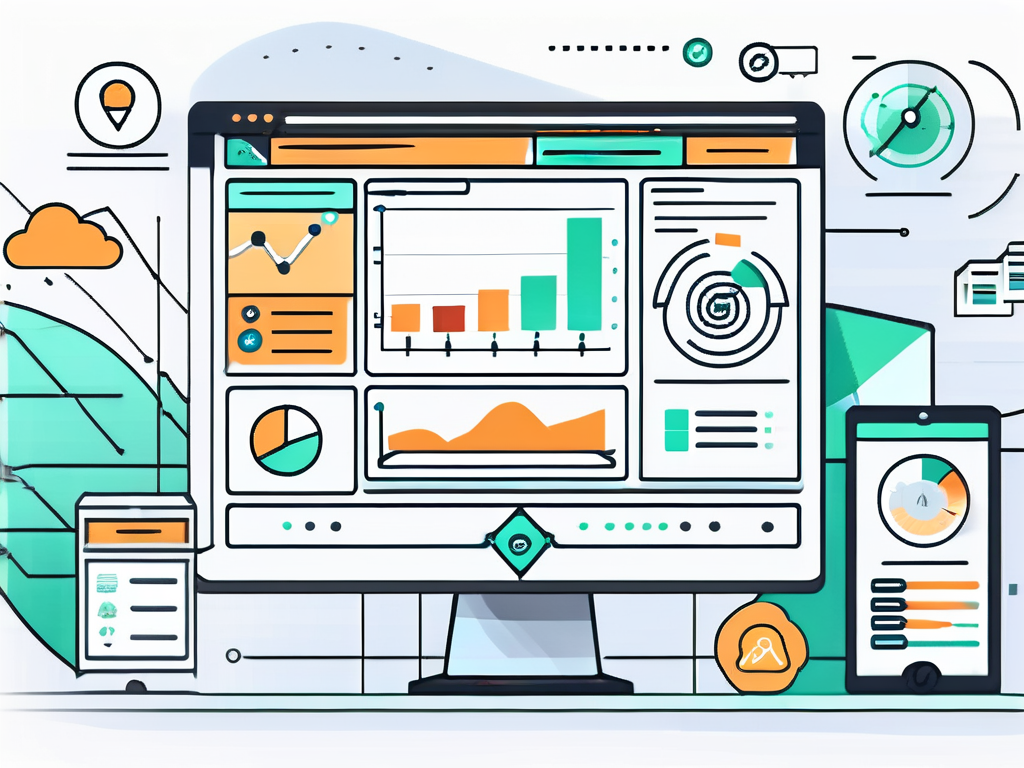
Comprehensive reporting and analytics tools are essential for evaluating the success of your email marketing campaigns. Look for software that provides detailed insights into key metrics such as open rates, click-through rates, and conversion rates. These analytics can help you track the effectiveness of your campaigns and make data-driven decisions to improve future email marketing strategies.
Evaluating Different Email Marketing Software Options
With a multitude of email marketing software options available, it’s important to evaluate different providers to find the best fit for your accounting needs.
When delving into the world of email marketing software, it’s crucial to consider not only the basic features but also the advanced functionalities that can elevate your email campaigns to the next level. Some software providers offer A/B testing capabilities, advanced analytics, and integration with customer relationship management (CRM) systems, providing you with valuable insights and tools to optimize your email marketing strategy.
Comparing Pricing Models
Consider the pricing models offered by different software providers. Some charge based on the number of subscribers, while others offer tiered pricing based on the number of emails sent. Choose a pricing structure that aligns with your budget and projected email marketing needs.
Furthermore, keep an eye out for hidden costs such as additional fees for exceeding subscriber limits or accessing premium features. Understanding the full cost implications upfront can help you make an informed decision and prevent budget surprises down the line.
Assessing User-Friendliness
When evaluating software options, prioritize user-friendliness. A user-friendly interface and intuitive design can save time and minimize the learning curve associated with adopting new software. Look for software that offers customizable templates, drag-and-drop editors, and easy-to-use automation workflows.
Additionally, consider the scalability of the software – as your business grows, you may need more advanced features and increased capacity. Choosing software that can accommodate your future needs can save you the hassle of migrating to a new platform as your email marketing requirements evolve.
Reviewing Customer Support and Service
Customer support is paramount when selecting email marketing software. Ensure that the software provider offers timely and reliable support to assist you in case of any technical issues or questions. Look for providers that offer multiple support channels, such as phone, email, and live chat.
Moreover, investigate the availability of resources such as knowledge bases, video tutorials, and community forums. Access to a wealth of support materials can empower you to troubleshoot independently and make the most of the software’s features without constant reliance on customer support.
Implementing Your Chosen Email Marketing Software
Training and Onboarding Process
Once you have selected an email marketing software, a smooth onboarding process is crucial for successful implementation. Familiarize yourself with the software’s training resources, tutorials, and webinars to ensure you can maximize its potential. Consider reaching out to the software provider for personalized training sessions to fully harness the software’s capabilities.
Moreover, it’s beneficial to involve key team members in the onboarding process to ensure everyone is well-versed in using the software. This collaborative approach can lead to a more cohesive strategy and better utilization of the software’s features. Encourage open communication and feedback among team members to streamline the onboarding process.
Measuring Success and ROI
To gauge the success of your email marketing campaigns, track key metrics such as open rates, click-through rates, and conversions. These metrics will provide insights into the effectiveness of your campaigns and help you identify areas for improvement. Compare these metrics with industry benchmarks to gain a better understanding of your performance.
Furthermore, consider implementing A/B testing to experiment with different elements of your emails and optimize performance. By testing variables such as subject lines, content, and call-to-action buttons, you can refine your strategies for better results. Analyzing the data from these tests can lead to valuable insights and improvements in your email marketing efforts.
Ongoing Maintenance and Updates
Regularly update your email marketing software to take advantage of new features and enhancements. Staying up-to-date with the latest software versions ensures optimal performance and security. Additionally, periodically review and clean your email list to maintain deliverability rates and engagement.
It’s also important to stay informed about industry trends and best practices in email marketing. Attend conferences, webinars, and workshops to stay current with the latest developments and strategies. Networking with other professionals in the field can provide valuable insights and opportunities for collaboration to enhance your email marketing campaigns.
Best Practices for Email Marketing in Accounting
Crafting Effective Email Content
When it comes to crafting effective email content for your accounting business, it’s important to strike a balance between promotional material and valuable information. While it’s tempting to focus solely on promoting your services, providing tips, insights, or industry updates that align with your clients’ needs and interests can make a significant impact.
Imagine sending an email to your clients with valuable tax-saving tips during the tax season. Not only will this demonstrate your expertise and position you as a trusted advisor, but it will also provide your clients with practical information they can use. Remember, the goal is to engage your clients and encourage them to take action, whether it’s clicking through to your website or inquiring for further information.
Building and Managing Email Lists
Building and managing your email lists is crucial for the success of your email marketing campaigns. To consistently grow your email list, consider including sign-up forms on your website, blog, and social media channels. Offering exclusive content or access to valuable resources in exchange for email addresses can be a great incentive for potential clients to subscribe.
Once you have a substantial email list, it’s important to segment it based on client preferences, stage in the customer journey, or specific services of interest. This segmentation allows you to personalize your content and maximize engagement. For example, you can send targeted emails to clients who have shown interest in tax planning, providing them with tailored content and offers that meet their specific needs.
Complying with Email Marketing Laws and Regulations
When engaging in email marketing, it’s crucial to ensure that your campaigns comply with applicable laws and regulations. One such regulation is the CAN-SPAM Act, which sets guidelines for commercial email messages. To comply with this act, make sure to include an unsubscribe option in every email, provide accurate sender information, and honor opt-out requests promptly.
Additionally, familiarize yourself with the legal requirements of your jurisdiction to avoid penalties or damage to your reputation. For example, some jurisdictions may have specific rules regarding the collection and storage of personal data, so it’s important to stay informed and follow best practices to protect your clients’ privacy.
In summary, email marketing is an essential tool for accountants to connect with clients and drive business growth. By understanding the importance of crafting effective email content, building and managing email lists, and complying with email marketing laws and regulations, accountants can leverage this powerful marketing channel to establish themselves as trusted advisors and achieve long-term success.
