
Content Marketing for Accountants
In today’s digital age, content marketing has become an indispensable tool for businesses across various industries. Accountants, in particular, can benefit greatly from adopting a content marketing strategy to enhance their online presence, attract new clients, and establish themselves as trusted industry experts. In this article, we will explore the importance of content marketing in accounting and provide valuable insights on how accountants can develop and execute an effective content marketing plan.
Understanding the Importance of Content Marketing in Accounting
The role of content marketing in today’s digital age cannot be overstated. With the vast amount of information available online, potential clients are increasingly relying on search engines and social media platforms to find answers to their accounting-related queries. By embracing content marketing, accountants can position themselves as thought leaders and trusted advisors, providing valuable insights and information to their target audience.

The Role of Content Marketing in Today’s Digital Age
Content marketing allows accountants to showcase their expertise and knowledge in a way that traditional advertising cannot. By creating high-quality, informative content, accountants can establish themselves as industry authorities and build a loyal following. This not only helps attract new clients but also fosters long-term relationships with existing ones.
Why Accountants Need to Embrace Content Marketing
Gone are the days when word-of-mouth recommendations were the primary source of new clients for accountants. Today, potential clients are turning to search engines and social media platforms to find solutions to their accounting needs. By embracing content marketing, accountants can ensure their business is visible to these potential clients and establish trust even before they make initial contact.
Moreover, content marketing in the accounting industry goes beyond just attracting clients. It also plays a crucial role in educating the public about complex financial matters, demystifying accounting jargon, and empowering individuals to make informed decisions about their finances. Through blog posts, whitepapers, webinars, and social media content, accountants can address common misconceptions, provide tips for financial planning, and offer guidance on tax compliance.
The Evolution of Content Marketing Strategies in Accounting
As technology continues to advance, the landscape of content marketing in the accounting sector is constantly evolving. Accountants now have access to a wide range of tools and platforms to distribute their content, from email newsletters to podcasting and video marketing. By staying abreast of these trends and adapting their strategies accordingly, accounting firms can stay ahead of the competition and effectively engage with their target audience.
Key Elements of Effective Content Marketing for Accountants
Creating and implementing an effective content marketing strategy requires careful planning and execution. Here are some key elements that accountants must consider:
Creating High-Quality Content
When it comes to content marketing, quality always trumps quantity. Accountants should focus on creating informative and engaging content that provides real value to their target audience. This can include articles, blog posts, infographics, or even videos that address common accounting challenges and offer practical solutions.
It’s essential for accountants to not only showcase their expertise through their content but also to make it easily digestible for their audience. Using a mix of storytelling, data visualization, and case studies can help in making complex accounting concepts more understandable and relatable to readers.
Utilizing SEO for Accountants
Search engine optimization (SEO) is crucial for ensuring that accountants’ content reaches their intended audience. By conducting keyword research and optimizing their content for search engines, accountants can improve their organic search rankings and attract more qualified leads.
Moreover, staying updated with the latest SEO trends and algorithms is vital for accountants to stay ahead in the digital landscape. Regularly monitoring and analyzing the performance of their content using tools like Google Analytics can provide valuable insights for refining their SEO strategies and maximizing their online visibility.
Leveraging Social Media Platforms
Social media platforms provide a powerful medium for accountants to promote their content and engage with their target audience. By leveraging platforms such as LinkedIn, Facebook, and Twitter, accountants can expand their reach, build a community of followers, and establish their brand as a trusted source of accounting expertise.
Engagement is key on social media platforms, and accountants should actively interact with their audience by responding to comments, sharing relevant industry news, and participating in discussions. Building a strong social media presence not only increases brand awareness but also fosters credibility and trust among potential clients seeking accounting services.
Developing a Content Marketing Strategy for Accountants
Creating a successful content marketing strategy requires careful planning and consideration. Here are some key steps to follow:
Content marketing for accountants goes beyond just creating content; it involves understanding the nuances of the financial industry and the unique needs of clients in this sector. By delving deep into the world of accounting, professionals can uncover valuable insights that can shape their content strategy and resonate with their audience on a deeper level.
Identifying Your Target Audience
Before creating any content, accountants must understand their target audience and their specific needs and challenges. By identifying their ideal client profile, accountants can tailor their content to address those pain points effectively.
Accountants can further enhance their understanding of their target audience by conducting surveys, interviews, or market research to gather valuable data. This data-driven approach can provide accountants with actionable insights that can inform their content creation process and ensure that their messaging resonates with their audience.
Setting Clear Marketing Goals
Accountants must establish clear goals for their content marketing efforts. This could range from increasing website traffic and generating leads to positioning themselves as industry thought leaders or boosting client engagement. Setting specific and measurable goals will help accountants track their progress and ensure their efforts align with their overall business objectives.
Moreover, aligning content marketing goals with broader business objectives can help accountants demonstrate the tangible impact of their efforts on key performance indicators such as revenue growth, client retention, and brand visibility. By establishing a direct correlation between content marketing initiatives and business outcomes, accountants can showcase the value of their strategies to stakeholders and decision-makers.
Choosing the Right Content Formats
Accountants should consider the preferred content formats of their target audience. Some individuals may prefer written articles or blog posts, while others may prefer visual content such as infographics or videos. By diversifying their content formats, accountants can cater to the preferences of a wider audience and maximize their reach and engagement.
Additionally, accountants can leverage emerging content formats such as podcasts, webinars, or interactive tools to offer unique and engaging experiences to their audience. Staying abreast of content consumption trends and experimenting with innovative formats can help accountants stay ahead of the curve and differentiate their content from competitors in the crowded digital landscape.
Measuring the Success of Your Content Marketing Efforts
To determine the effectiveness of their content marketing efforts, accountants must establish key performance indicators (KPIs) and regularly monitor and analyze their metrics. Some common KPIs to consider include website traffic, conversion rates, social media engagement, and lead generation. By analyzing these metrics, accountants can identify areas of improvement and make data-driven adjustments to their content marketing strategy.
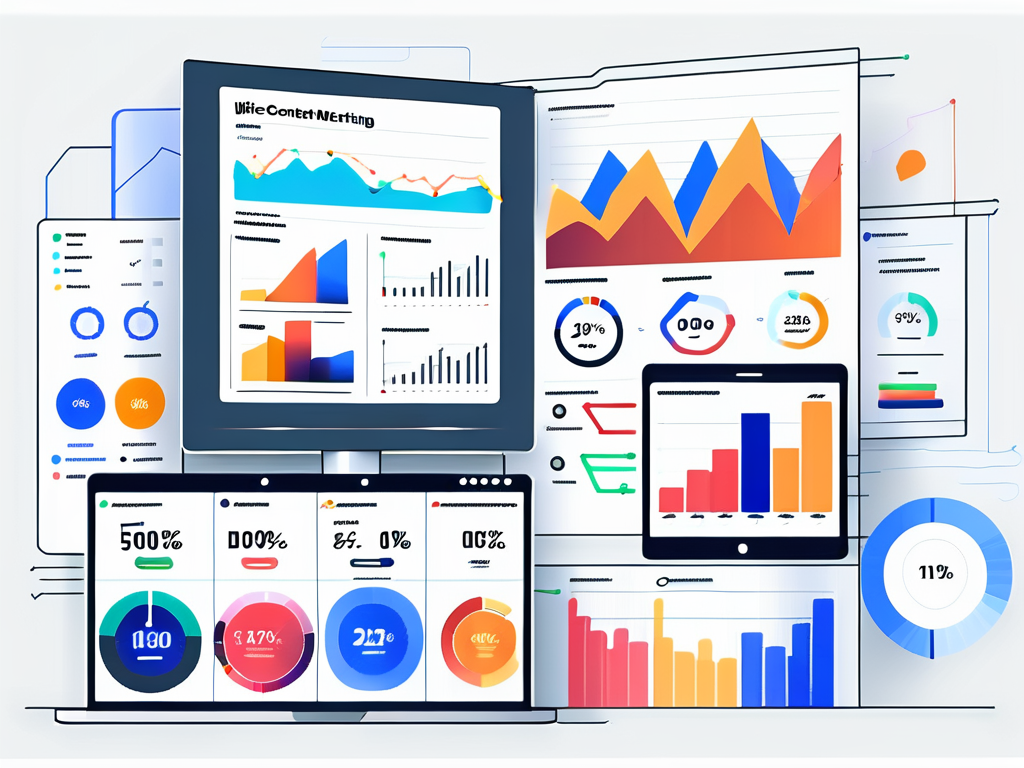
One crucial aspect of measuring the success of content marketing efforts is understanding the audience’s behavior and preferences. By delving into the data provided by KPIs, accountants can gain insights into what types of content resonate with their target audience, which channels are most effective in reaching them, and how to tailor their messaging for maximum impact.
Understanding Key Performance Indicators (KPIs)
Key performance indicators (KPIs) are quantifiable metrics that help measure the success of content marketing efforts. By tracking KPIs such as website traffic, time spent on page, or conversion rates, accountants can gain valuable insights into the effectiveness of their content and make informed decisions to optimize their strategy.
Moreover, KPIs not only provide a snapshot of the current performance but also serve as a benchmark for future growth and improvement. By setting realistic KPI targets and regularly reviewing progress against these goals, accountants can track their content marketing journey and ensure they are on the right path towards achieving their objectives.
Analyzing and Adjusting Your Strategy
Content marketing is an iterative process, and it is essential to regularly analyze and adjust your strategy based on the data and insights collected. By consistently monitoring the performance of your content, you can identify what resonates with your audience and make necessary tweaks to improve engagement and achieve your marketing goals.
Furthermore, the analysis of KPIs should not be viewed in isolation but rather as part of a continuous feedback loop. By integrating insights from KPIs with qualitative feedback from customers, accountants can refine their content strategy to better meet the needs and expectations of their audience, ultimately driving stronger results and building lasting relationships.
Overcoming Common Content Marketing Challenges for Accountants
While content marketing offers numerous benefits for accountants, there are also common challenges that they may face. Here are some strategies to overcome these challenges:
Dealing with Time Constraints
Accountants are often busy with client work and other responsibilities, making it challenging to dedicate sufficient time to content creation and marketing. To overcome this challenge, accountants can consider outsourcing content creation or batching content creation tasks to make the most of their available time.
Outsourcing content creation can involve hiring freelance writers or content agencies to assist with generating high-quality articles, blog posts, and social media content. By delegating these tasks, accountants can focus on their core responsibilities while still maintaining a consistent online presence.
Staying Updated with Industry Trends
The accounting industry is constantly evolving, and staying updated with the latest trends and regulatory changes is crucial for accountants looking to maintain their industry expertise. By regularly conducting research and staying informed, accountants can ensure their content remains relevant and valuable to their target audience.
Attending industry conferences, webinars, and networking events can also help accountants stay abreast of emerging trends and best practices in the field. Collaborating with industry influencers and thought leaders can provide valuable insights for creating content that resonates with the current needs and interests of their audience.
Ensuring Compliance with Regulations
Accountants operate in a highly regulated industry, and it is imperative that their content marketing efforts adhere to industry guidelines and regulations. By consulting with legal and compliance professionals, accountants can create content that is both informative and compliant, ensuring they maintain the trust and confidence of their clients.
Implementing a thorough review process for all content before publication can help accountants identify and address any potential compliance issues. Providing disclaimers and disclosures where necessary can also help mitigate legal risks and demonstrate a commitment to transparency and integrity in their content marketing efforts.
The Future of Content Marketing in Accounting
As technology continues to advance and consumer behavior evolves, the future of content marketing in accounting holds significant opportunities. Here are some emerging trends to watch:

Emerging Trends in Content Marketing
Personalized content experiences, interactive content formats, and the rise of voice search are all emerging trends in content marketing. Accountants can leverage these trends to provide customized content experiences, engage with their audience in innovative ways, and optimize their content for voice search to stay ahead of the curve.
Preparing for the Future of Digital Marketing in Accounting
With the rapid pace of digitalization, it is crucial for accountants to continually adapt and embrace new technologies and platforms. Accountants should keep a close eye on emerging channels, such as augmented reality and virtual reality, and explore how these technologies can be integrated into their content marketing strategy to create unique and engaging experiences for their target audience.
Content marketing has the power to transform how accountants attract, engage, and retain clients. By understanding the importance of content marketing, implementing key elements, and developing a robust strategy, accountants can unlock new opportunities and establish themselves as trusted advisors in the ever-evolving accounting landscape.
Looking ahead, the integration of artificial intelligence (AI) and machine learning into content marketing strategies is poised to revolutionize the accounting industry. AI-powered tools can analyze vast amounts of data to personalize content recommendations for individual clients, predict future trends, and automate repetitive tasks, allowing accountants to focus on high-value activities and strategic decision-making.
Furthermore, the growing emphasis on sustainability and corporate social responsibility presents a unique opportunity for accountants to incorporate eco-friendly practices into their content marketing efforts. By showcasing their commitment to environmental stewardship and ethical business practices, accountants can attract socially conscious clients and differentiate themselves in a competitive market.
