
Creating Effective Email Campaigns for Accountants
Email marketing is a powerful tool for accountants to connect with clients, build relationships, and promote their services. It offers a cost-effective way to reach a wide audience and deliver targeted messages. In this article, we will explore the various aspects of creating effective email campaigns specifically tailored for accountants. From understanding the importance of email marketing in the accounting industry to strategies for building a strong email list, we will delve into the key elements that make an effective email campaign. So, let’s get started!
Understanding the Importance of Email Marketing for Accountants
Email marketing plays a crucial role in the accounting industry. It allows accountants to communicate with their existing clients, prospects, and stakeholders in an efficient and personalized manner. According to a study, 81% of small businesses rely on email as their primary customer acquisition channel, highlighting the importance of having a strong email marketing strategy in place.

The Role of Email Marketing in Accounting
Email marketing serves as a direct line of communication between accountants and their clients. It enables accountants to share important updates about tax laws, regulations, and deadlines, providing valuable information that helps clients stay compliant and avoid penalties. Additionally, email campaigns can be used to promote accounting services, showcase expertise, and nurture client relationships.
Benefits of Email Campaigns for Accountants
There are numerous benefits to incorporating email campaigns into an accountant’s marketing strategy. Firstly, it allows for targeted messaging, enabling accountants to tailor their content to different client segments. This personalization helps to build trust and strengthen relationships. For example, accountants can send personalized emails to clients who are self-employed, highlighting specific tax deductions and strategies that are relevant to their business.
Secondly, email campaigns can significantly expand the reach of an accountant’s message. With the ability to reach hundreds or thousands of recipients instantly, it ensures that important information is delivered timely and efficiently. This is particularly useful during tax season when accountants need to communicate updates and reminders to a large number of clients simultaneously. By sending out a well-crafted email campaign, accountants can ensure that their clients are aware of important filing deadlines and any changes in tax laws that may affect them.
Thirdly, email campaigns offer cost-effective marketing solutions. Unlike traditional methods such as direct mail or print advertising, email campaigns save on printing and postage costs. This makes it an attractive option for accountants, especially those operating on a tight budget. Additionally, email campaigns can be automated, allowing accountants to set up a series of emails that are sent out at specific intervals. This saves time and resources, as accountants can focus on other important tasks while their email campaigns run in the background.
Lastly, email campaigns provide measurable results. Accountants can track metrics such as open rates, click-through rates, and conversions to understand the effectiveness of their campaigns, enabling them to make data-driven decisions and refine their strategies accordingly. By analyzing these metrics, accountants can identify which types of emails resonate most with their audience and make adjustments to optimize their future campaigns.
In conclusion, email marketing is an essential tool for accountants in today’s digital age. It allows for direct and personalized communication, expands the reach of important messages, offers cost-effective solutions, and provides measurable results. By incorporating email campaigns into their marketing strategy, accountants can effectively engage with their clients, promote their services, and stay ahead in the competitive accounting industry.
Key Elements of an Effective Email Campaign
Creating a successful email campaign involves incorporating various key elements that grab attention, engage the recipient, and drive desired actions. Let’s explore these elements in detail:
Crafting a Compelling Subject Line
The subject line is the first thing your recipients see, and it serves as a critical factor in determining whether your email is opened or not. Aim to create a subject line that is attention-grabbing, concise, and relevant to the recipient. Personalization and urgency can also be effective tactics to increase open rates. For example, “Important Tax Filing Deadline – Don’t Miss Out!”.
Personalizing Your Email Content
Personalization goes beyond simply addressing your recipient by name. It involves tailoring the content of your email to their specific needs and interests. Utilize the data you have about your clients to provide relevant information and offer personalized recommendations. This level of customization shows that you understand your clients’ unique challenges and positions you as a trusted advisor.
Including a Clear Call to Action
A call to action (CTA) is a powerful tool for driving engagement and conversions. Whether it’s encouraging recipients to schedule a consultation, download a tax guide, or sign up for a webinar, make sure your CTA is clear, prominent, and compelling. Use action-oriented language and create a sense of urgency to prompt immediate action.
Furthermore, it is crucial to consider the design and layout of your email. A well-designed email not only enhances the visual appeal but also improves the overall user experience. Use a clean and organized layout that is easy to read and navigate. Incorporate white space to create a sense of balance and avoid overwhelming the recipient with too much information.
Another important aspect to consider is the timing of your email campaign. Sending emails at the right time can significantly impact open and click-through rates. Analyze your audience’s behavior and preferences to determine the optimal time to send your emails. Experiment with different days and times to find the sweet spot that generates the highest engagement.
Strategies for Building an Email List
Building a strong and engaged email list is crucial for the success of your email campaigns. Here are a few strategies to help you grow your subscriber base:
Utilizing Website Opt-ins
Your website serves as a hub for potential clients and interested individuals. Incorporating opt-in forms at strategic locations on your website, such as the homepage, blog posts, and contact page, allows visitors to subscribe to your email list. Offer valuable incentives, such as a free e-book or a monthly newsletter, to encourage sign-ups.
Furthermore, consider implementing pop-up forms that appear when visitors are about to exit your site or after they have spent a certain amount of time browsing. These exit-intent pop-ups can capture the attention of users who may have been hesitant to subscribe initially, providing them with a last-minute opportunity to join your email list.
Leveraging Social Media for List Building
Social media platforms are powerful tools for expanding your reach and attracting new subscribers. Share compelling and informative content on platforms such as LinkedIn, Twitter, and Facebook, and include links to your opt-in forms. Engage with your audience and encourage them to share your content and subscribe to your emails.
Additionally, consider running social media contests or giveaways that require participants to sign up for your email list as a condition of entry. This not only helps increase your subscriber count but also generates buzz and excitement around your brand, attracting more potential subscribers who are interested in your offerings.
Best Practices for Email Campaign Timing and Frequency
Knowing when to send your emails and how often to send them are crucial considerations that can impact the success of your campaigns. Let’s explore the best practices:
When it comes to determining the best time to send emails, it’s essential to consider the unique characteristics of your target audience and their behavior. Take the time to analyze data from previous campaigns to identify patterns and trends in email engagement. By testing different sending times and closely monitoring open rates and click-through rates, you can pinpoint the most effective time for reaching and resonating with your audience.
Determining the Best Time to Send Emails
The optimal sending time depends on your target audience and their behavior. Analyze data from previous campaigns to identify patterns and trends in email engagement. Test different sending times and monitor open rates and click-through rates to determine the most effective time for reaching your audience.
Setting the right frequency for email campaigns is a delicate balancing act. While consistency is key to staying top-of-mind, bombarding your subscribers with daily emails can quickly lead to inbox fatigue and increased unsubscribes. Strive for a frequency that keeps your audience engaged without overwhelming them. Regularly monitor engagement metrics such as open rates, click-through rates, and unsubscribe rates to gauge the effectiveness of your email frequency.
Setting the Right Frequency for Email Campaigns
Finding the right balance between staying top-of-mind and avoiding inbox fatigue is key. Consistency is important, but bombarding your subscribers with daily emails can lead to unsubscribes. Aim for a frequency that keeps your audience engaged without overwhelming them. Monitor engagement metrics and adjust your frequency accordingly.
Measuring the Success of Your Email Campaign
Measuring the success of your email campaigns is essential to understand the effectiveness of your strategies and identify areas for improvement. Here are some key metrics to track:
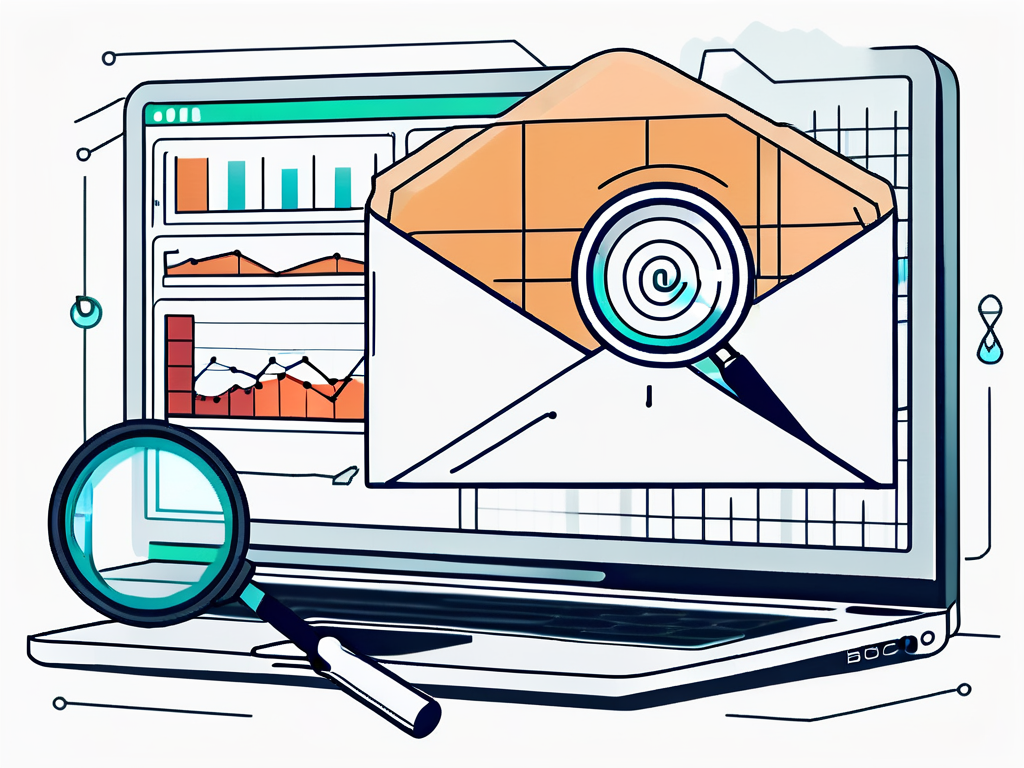
Key Metrics to Track in Email Marketing
Open rate, click-through rate, conversion rate, and unsubscribe rate are key metrics that provide insights into your campaign performance. Open rate indicates the percentage of recipients who opened your email, while click-through rate measures the number of recipients who clicked on links within your email. Conversion rate reveals the percentage of recipients who completed the desired action, such as making a purchase or filling out a form. Unsubscribe rate indicates the number of recipients who opted out of future communications.
Interpreting Email Marketing Analytics
By analyzing your email marketing analytics, you can gain valuable insights into what works and what doesn’t. Identify trends, patterns, and areas of improvement. For instance, if you notice a low click-through rate, consider adjusting your email content or call-to-action to increase engagement.
Moreover, it’s crucial to segment your email list based on demographics, behavior, or preferences to tailor your campaigns effectively. Personalizing emails based on the recipient’s interests can significantly improve engagement and conversion rates. Utilizing A/B testing can also help you understand which elements of your emails resonate best with your audience.
Optimizing Email Campaigns for Mobile Users
With the increasing use of mobile devices, optimizing your email campaigns for mobile users is paramount. Ensure that your emails are mobile-responsive, with clear and concise content that is easy to read on smaller screens. Pay attention to the size of buttons and links to make them easily clickable on touchscreens. By prioritizing mobile optimization, you can enhance the user experience and drive better results from your email campaigns.
Tips for Improving Email Campaign Performance
Maximize the effectiveness of your email campaigns with these tips:
A/B Testing in Email Marketing
A/B testing involves sending different versions of your email to a portion of your list and comparing the results to see which version performs better. Test variables such as subject lines, call-to-action wording, email layout, or content. Analyze the results and apply the insights to optimize future campaigns.
Furthermore, when conducting A/B testing, it’s essential to have a clear hypothesis for each test. By defining what you aim to achieve with each variation, you can draw more meaningful conclusions from the results. Remember to test one variable at a time to accurately attribute any changes in performance to that specific element.
Enhancing Email Deliverability and Open Rates
Email deliverability and open rates are crucial for the success of your campaigns. To enhance deliverability, focus on building a clean email list, eliminating inactive subscribers, and using reputable email service providers. To increase open rates, ensure your emails are engaging, relevant, and personalized. Avoid spam triggers such as excessive use of capital letters and misleading subject lines.
In addition to focusing on the content of your emails, consider the timing of your campaigns. Research shows that the day and time you send your emails can significantly impact open rates. Experiment with different send times to determine when your audience is most active and responsive. Remember to take time zones into account if you have a global subscriber base.
Adhering to Email Marketing Laws and Ethics
Respecting email marketing laws and ethical standards is vital for building trust with your clients and protecting your reputation. Here are a few considerations:
Understanding CAN-SPAM Act Compliance
The CAN-SPAM Act sets guidelines for commercial emails and requires compliance with certain regulations, such as providing an unsubscribe option and including accurate header information. Familiarize yourself with these regulations and ensure your email campaigns adhere to them.
Respecting Subscriber Privacy and Consent
Obtaining permission to send emails and respecting your subscribers’ privacy is crucial. Never purchase email lists or send unsolicited emails. Implement a double opt-in process to ensure that subscribers have explicitly confirmed their interest in receiving emails from you. Make it easy for subscribers to manage their preferences and unsubscribe if desired.
When it comes to subscriber privacy, it’s important to go above and beyond legal requirements. Treat your subscribers’ personal information with the utmost care and respect. Safeguard their data by implementing robust security measures and using reputable email service providers that prioritize data protection.
Additionally, consider implementing a transparent privacy policy that clearly outlines how you collect, use, and protect subscriber data. This will not only demonstrate your commitment to privacy but also help build trust with your audience.
In conclusion, email marketing is a powerful tool that accountants can use to effectively connect with clients, promote their services, and nurture client relationships. By understanding the importance of email marketing, incorporating key elements into your campaigns, and following best practices, you can create effective email campaigns that deliver results. Remember to measure the success of your campaigns, continuously improve your strategies, and adhere to email marketing laws and ethical standards. With a well-crafted email campaign, accountants can maximize their reach, engage their audience, and achieve their business goals.
