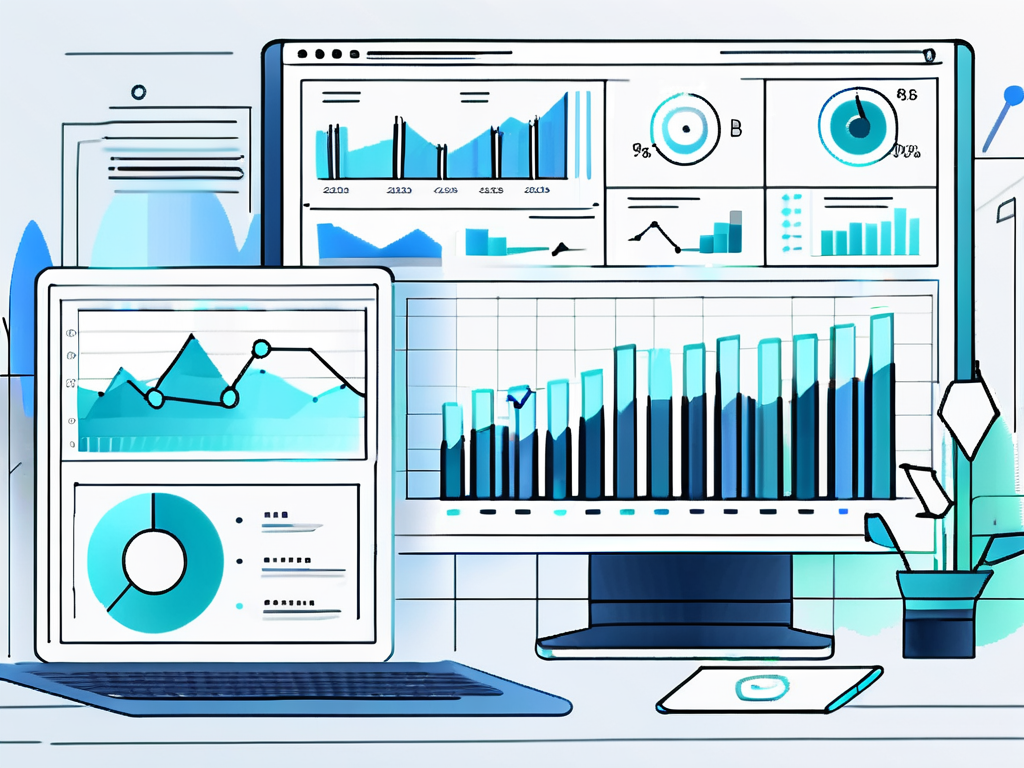
Using analytics tools to monitor website traffic and rankings
In the digital age, a strong online presence is crucial for business success. But how can you gauge the impact of your website on your target audience? How do you know if your website is performing well in search engine rankings? Enter analytics tools – a must-have for any business looking to monitor website traffic and rankings. In this article, we will explore the importance of website traffic and rankings, introduce you to analytics tools, discuss how to monitor website traffic and track rankings, and provide strategies for optimizing your website based on analytics insights. We will also address common challenges in using analytics tools and look into future trends in website analytics.
Understanding the Importance of Website Traffic and Rankings
Website traffic refers to the number of visitors your website receives over a specific period. It serves as a key performance indicator (KPI) for many businesses, indicating the level of interest your target audience has in your brand or offerings. The more traffic your website generates, the greater the potential for customer engagement, lead generation, and ultimately, business growth.
The Role of Website Traffic in Business Growth
Website traffic plays a pivotal role in driving business growth. Increased traffic not only increases brand visibility but also provides opportunities for lead generation and conversions. By analyzing website traffic data, you can gain valuable insights into your audience’s behavior, preferences, and needs. Armed with this knowledge, you can refine your marketing strategies and tailor your offerings to better meet their expectations.
Why Website Rankings Matter
Website rankings refer to where your website appears in search engine results pages (SERPs) for specific keywords or phrases. With billions of websites competing for attention, securing high rankings is essential to stay visible and attract organic traffic. Studies show that the top three organic search results receive the majority of clicks, with the first result often capturing around 30% of the traffic. Higher rankings not only increase the likelihood of clicks but also enhance your brand’s credibility and trustworthiness in the eyes of your audience.
But what factors contribute to website rankings? Search engines like Google use complex algorithms to determine the relevance and quality of websites. These algorithms take into account various factors such as website content, user experience, backlinks, and social signals. Content plays a crucial role in determining your website’s rankings. High-quality, relevant, and engaging content not only attracts visitors but also increases the chances of other websites linking to yours, which improves your website’s authority and credibility in the eyes of search engines.
User experience is another important factor that search engines consider when ranking websites. A well-designed and user-friendly website that loads quickly, is mobile-responsive, and provides a seamless browsing experience is more likely to rank higher in search results. Search engines prioritize websites that prioritize their users, as it aligns with their goal of providing the best possible search experience to their users.
Introduction to Analytics Tools
Analytics tools are powerful resources that enable you to collect, analyze, and interpret data about your website’s performance. They provide invaluable insights into the behavior of your website visitors, allowing you to make informed decisions to improve your online presence. Let’s take a closer look.
Implementing analytics tools effectively can revolutionize the way you approach your online presence. By harnessing the power of data, you can gain a deeper understanding of your audience, their preferences, and how they interact with your website. This knowledge empowers you to tailor your content and marketing strategies to better resonate with your target demographic, ultimately driving higher engagement and conversions.
What are Analytics Tools?
Analytics tools are software applications that track and measure key metrics related to your website’s performance. They collect data on website traffic, user behavior, conversions, and other essential performance indicators. These tools use various tracking methods, such as cookies, to gather data and present it in an organized and user-friendly manner.
Furthermore, analytics tools can provide insights beyond just website performance. They can help you understand the effectiveness of your marketing campaigns, identify trends in user behavior, and even optimize your website for better search engine visibility. By delving into the data generated by these tools, you can uncover hidden opportunities for growth and improvement.
Key Features of Effective Analytics Tools
When choosing an analytics tool, it’s crucial to consider the features that meet your business needs. Effective analytics tools should provide comprehensive data on website traffic, user engagement, conversion rates, and demographics. They should also offer real-time reporting, customization options, and integration capabilities with other marketing tools. Additionally, user-friendly interfaces and intuitive dashboards make it easier to access and understand the data.
Moreover, the ability of analytics tools to generate detailed reports and visualizations can streamline decision-making processes within your organization. By presenting data in a clear and digestible format, these tools facilitate collaboration between different teams, ensuring that everyone is aligned towards common goals based on data-driven insights.
Monitoring Website Traffic with Analytics Tools
Setting up traffic monitoring is essential to track the effectiveness of your marketing efforts and identify areas for improvement. By analyzing website traffic data, you can determine which channels are driving the most visitors, evaluate the performance of specific campaigns, and identify trends over time.
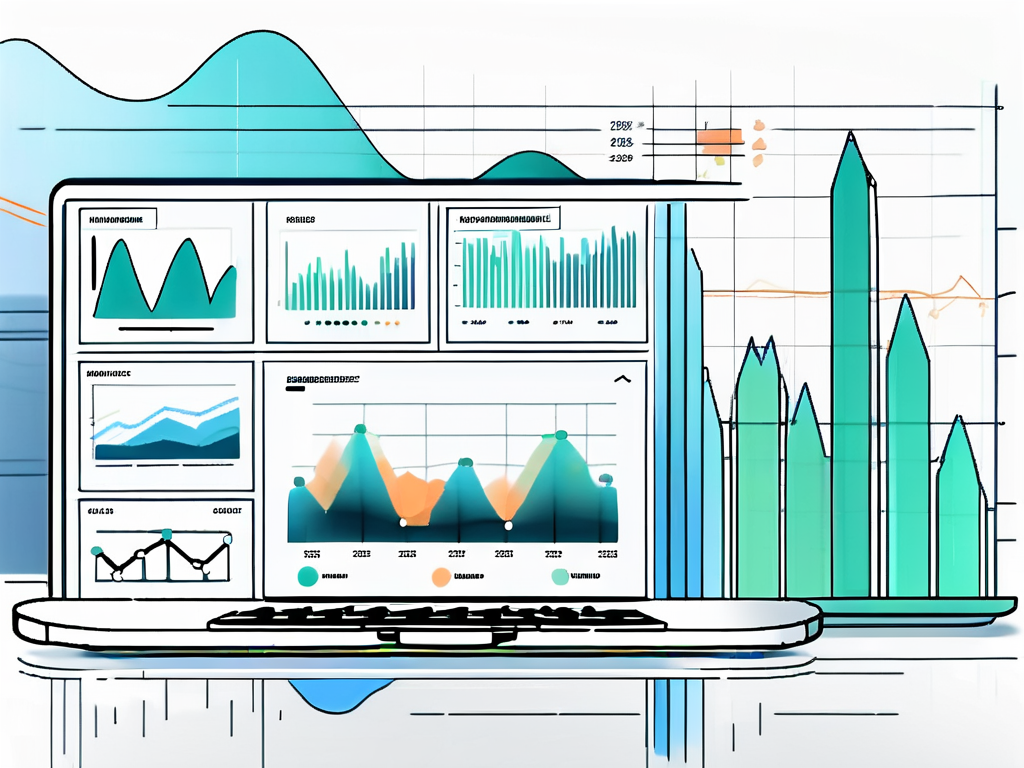
Furthermore, monitoring website traffic allows you to gain valuable insights into user behavior, preferences, and interactions on your site. Understanding how visitors engage with your content can help you tailor your marketing strategies to better meet their needs and expectations. By delving deeper into traffic data, you can uncover patterns that reveal popular content, high-converting pages, and potential areas for enhancement.
Setting Up Traffic Monitoring
To start monitoring website traffic, you need to integrate an analytics tool into your website. Most analytics tools provide JavaScript tracking code that you can easily insert into your website’s HTML. Once installed, the tool will begin collecting data, allowing you to access and analyze it through the tool’s interface.
Moreover, setting up goals and funnels within your analytics tool can help you track specific user actions, such as form submissions or product purchases. By defining these goals, you can measure the success of your conversion paths and identify any bottlenecks that may be hindering user progression through your site. This level of detailed tracking enables you to make data-driven decisions to optimize user experience and drive desired outcomes.
Interpreting Traffic Data
Interpreting traffic data requires a deep understanding of key metrics and how they relate to your business goals. Analytics tools provide valuable insights into metrics such as total visits, unique visitors, bounce rate, average session duration, and conversion rates. By monitoring these metrics, you can identify which pages are performing well, which sources drive the most traffic, and how visitors navigate through your website. This information can guide your marketing strategies and website optimization efforts.
Furthermore, segmenting your traffic data based on demographics, geographic location, or device type can provide additional insights into your audience’s characteristics and preferences. By understanding the different behaviors of various segments, you can tailor your content and marketing campaigns to better resonate with specific target groups. This personalized approach can lead to higher engagement, increased conversions, and ultimately, a more successful online presence.
Tracking Website Rankings through Analytics Tools
Monitoring your website rankings is crucial to gauge your website’s visibility on search engine result pages (SERPs). Analytics tools can provide you with insights into your website’s ranking performance, enabling you to make data-driven decisions to improve your search engine optimization (SEO) strategies.
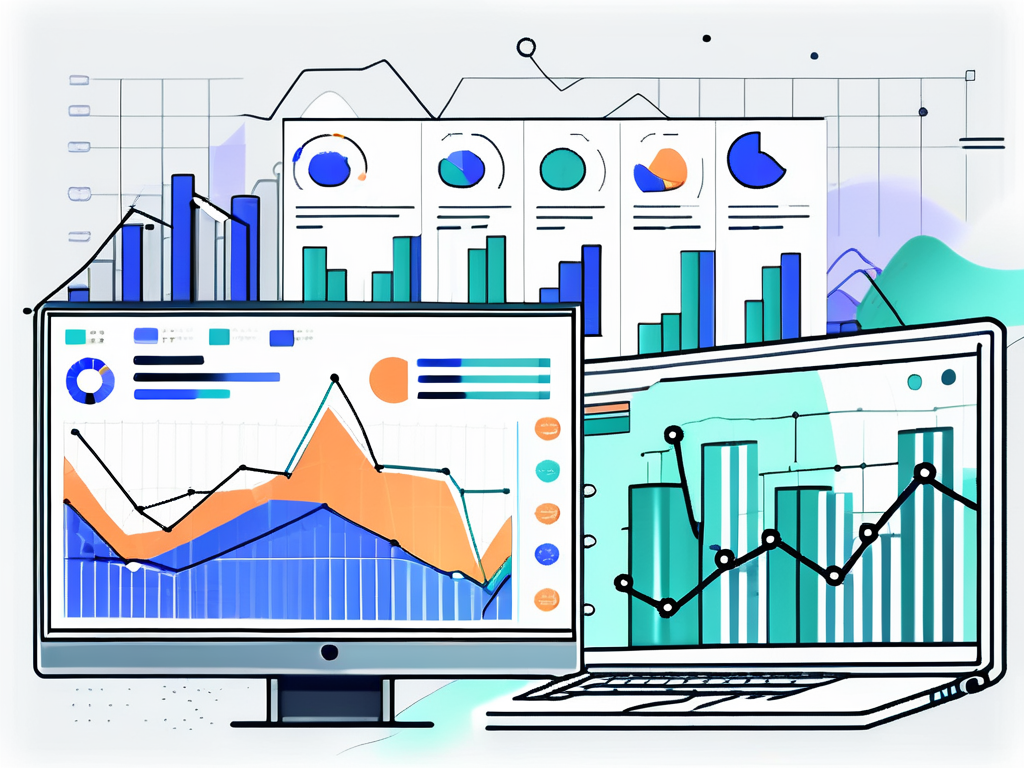
Tracking website rankings through analytics tools is not just about checking where your website stands on search engine result pages; it’s about understanding the dynamics of search engine algorithms and user behavior. By delving deeper into the data provided by these tools, you can uncover valuable information about how users interact with your website, which keywords drive the most traffic, and how your content resonates with your target audience.
The Process of Ranking Tracking
To track website rankings using analytics tools, you need to integrate the tool with a ranking monitoring feature. This feature allows you to input specific keywords or phrases and track the positions of your website in search engine results. By regularly monitoring your rankings, you can identify trends, track improvements or declines, and assess the effectiveness of your SEO efforts.
Moreover, the process of ranking tracking goes beyond just numbers on a screen. It involves understanding the context behind the rankings, such as changes in search algorithms, user search behavior, and even seasonality trends. By taking a holistic approach to ranking tracking, you can adapt your SEO strategies to stay ahead of the curve and maintain a competitive edge in the digital landscape.
Making Sense of Ranking Data
Interpreting ranking data involves analyzing your website’s positions for specific keywords or phrases and comparing them over time. By doing so, you can determine which keywords are performing well, which ones need further optimization, and identify potential opportunities for improvement. Additionally, analytics tools often provide insights into competitor rankings, enabling you to benchmark your website against industry leaders.
Furthermore, making sense of ranking data requires a keen eye for detail and a strategic mindset. It’s not just about knowing where you rank; it’s about understanding why you rank where you do and how you can leverage that information to enhance your overall digital marketing strategy. By diving deep into the nuances of ranking data, you can uncover hidden patterns, consumer preferences, and emerging trends that can propel your website to new heights of online success.
Optimizing Your Website Based on Analytics Insights
Analytics insights provide valuable guidance when it comes to optimizing your website for improved performance and higher rankings. By leveraging the data obtained through analytics tools, you can tailor your website content, improve user experience, and fine-tune your marketing strategies.
One key aspect of utilizing analytics insights is understanding user behavior on your website. By delving into metrics such as bounce rate, time on page, and conversion rates, you can gain valuable insights into how visitors interact with your site. For instance, if a particular page has a high bounce rate, it may indicate that the content is not engaging enough or that the page layout needs improvement. By addressing these issues, you can enhance user engagement and ultimately drive better results.
Strategies for Traffic Improvement
By analyzing traffic data, you can identify areas for improvement and implement strategies to drive more visitors to your website. For example, if you discover that a particular marketing channel is driving significant traffic, you can allocate more resources to that channel. Additionally, optimizing landing pages, improving website speed, and enhancing overall user experience can all contribute to increased traffic.
Another effective strategy for boosting traffic is to leverage social media platforms. By analyzing social media referral data in your analytics, you can identify which platforms are driving the most traffic to your site. This information can help you focus your efforts on the most effective channels and tailor your content to better resonate with your social media audience.
Enhancing Your Website’s Ranking
Ranking optimization involves improving your website’s visibility in search engine results. By analyzing ranking data, you can identify keywords with high search volumes, refine your content and meta tags, and implement on-page and off-page SEO strategies. Regularly monitoring your rankings will allow you to assess the impact of these strategies and make necessary adjustments to improve your website’s ranking performance.
Furthermore, enhancing your website’s authority through backlink building is crucial for improving search engine rankings. By obtaining high-quality backlinks from reputable websites in your industry, you can signal to search engines that your site is a trusted source of information. This can lead to improved organic search visibility and higher rankings for relevant keywords.
Common Challenges in Using Analytics Tools
While analytics tools offer valuable insights, they are not without their challenges. It’s important to be aware of common obstacles and develop strategies to overcome them.
One significant challenge that users often face when utilizing analytics tools is the complexity of interpreting the data. With the vast amount of information generated by these tools, it can be overwhelming to extract meaningful insights. Developing a clear data analysis plan and regularly refining it based on the evolving needs of your business can help streamline the process and ensure that you are focusing on the most relevant metrics.
Overcoming Technical Difficulties
Integrating analytics tools into your website may require technical expertise. However, many tools provide comprehensive documentation and support resources to guide you through the process. If you encounter technical difficulties, reaching out to the tool’s support team or consulting with a web developer can help resolve any issues.
Moreover, staying informed about the latest updates and features of the analytics tools you use is crucial in overcoming technical challenges. Regularly attending webinars, reading industry blogs, and participating in online forums can provide valuable insights and tips on optimizing the performance of your analytics tools.
Addressing Data Accuracy Issues
Data accuracy is critical when analyzing website traffic and rankings. Implementing analytics tools correctly, ensuring data integrity, and regularly monitoring for discrepancies are essential steps to maintain accurate data. Cross-referencing data from multiple analytics tools or seeking expert guidance can further validate your data accuracy.
Additionally, conducting periodic audits of your analytics implementation and data collection processes can help identify and rectify any inaccuracies. Collaborating with your data analytics team or hiring external auditors can offer fresh perspectives and ensure that your data is reliable for making informed business decisions.
Future Trends in Website Analytics
The world of website analytics continues to evolve, with new trends and technologies shaping the industry. Staying updated with these developments can help you gain a competitive edge and make informed decisions for your online presence.
As technology advances, the future of website analytics is set to be even more dynamic and impactful. One emerging trend is the integration of voice analytics, which allows businesses to analyze user interactions through voice commands on their websites. This technology provides valuable insights into user preferences and behaviors, enabling businesses to tailor their online experiences more effectively.
Predictive Analytics and Machine Learning
Predictive analytics and machine learning are revolutionizing the way businesses analyze website data. These technologies enable businesses to anticipate user behavior, personalize user experiences, and optimize marketing strategies. By leveraging predictive analytics and machine learning algorithms, you can make proactive decisions to enhance website performance and drive greater results.
Furthermore, the combination of predictive analytics and machine learning with augmented reality (AR) is also on the horizon. AR technology can enhance user engagement by overlaying digital information onto the physical world, providing a unique and interactive browsing experience. By incorporating AR into website analytics, businesses can gain deeper insights into user interactions and preferences, leading to more personalized and immersive online experiences.
The Rise of Real-Time Analytics
Real-time analytics provides up-to-the-minute insights into website traffic, user behavior, and marketing campaigns. With the increasing availability of advanced analytics tools, businesses can now access real-time data, enabling faster reaction times and more agile decision-making. Real-time analytics empowers businesses to quickly identify and respond to emerging trends, allowing for more effective marketing strategies and improved website experiences.
In addition to real-time analytics, the future of website data analysis is likely to incorporate sentiment analysis. This technology allows businesses to gauge the emotional tone of user interactions on their websites, providing valuable insights into customer satisfaction and sentiment. By leveraging sentiment analysis alongside real-time analytics, businesses can tailor their marketing strategies and website content to better resonate with their target audience, ultimately driving higher levels of engagement and conversion.
Conclusion
Unlocking the power of analytics tools to monitor website traffic and rankings is essential for driving business growth and maximizing your online presence. By understanding the importance of website traffic and rankings, familiarizing yourself with analytics tools, monitoring website traffic, tracking rankings, and optimizing your website based on analytics insights, you can make data-driven decisions that propel your business forward. Embrace the challenges, keep an eye on future developments, and leverage the power of analytics to stay ahead of the competition in the digital landscape.